

Nocturnal grinding, also known as sleep bruxism, occurs when you unconsciously grind or clench your teeth during sleep. Many people are unaware they do this, but the effects can be serious and widespread. From worn enamel to persistent jaw pain, this condition affects not only your oral health but can also reduce your overall quality of life.
At Family Dental Clinic West End, our team is experienced in diagnosing and treating bruxism to help prevent long-term damage. If you’ve noticed unexplained headaches, jaw discomfort, or your partner mentions unusual grinding sounds at night, you might be experiencing nocturnal grinding.
Although bruxism happens mostly during sleep, there are signs that could indicate a problem. People with sleep bruxism may experience:
It’s important to remember that stress isn’t the only cause, an uneven bite, missing teeth, or lifestyle habits like alcohol or caffeine intake can also play a role.
The first step in managing sleep bruxism is diagnosis. Our dentists will examine your teeth for wear, review your symptoms, and offer personalised treatment options, which may include:
Custom night guards are designed to fit your bite precisely, providing a comfortable and effective way to prevent further damage while helping your jaw muscles relax overnight.
If left untreated, nocturnal grinding can cause cracked teeth, loose fillings, or even tooth loss. Repairing this damage may require extensive treatments such as crowns, implants, or root canals. Additionally, ongoing jaw clenching can affect mental wellbeing, disturb sleep, and worsen TMD symptoms.
If you think you may be grinding your teeth at night, don’t wait until the damage worsens. Early care can help protect your smile and improve your rest.
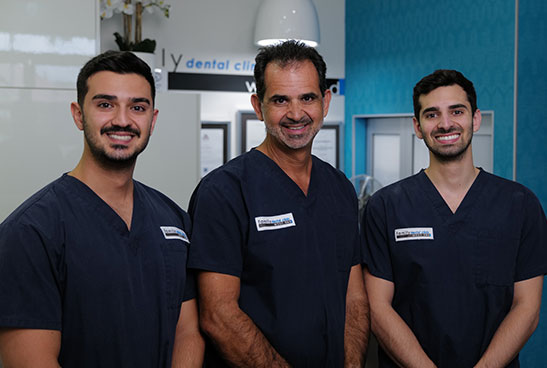






Dedicated to creating beautiful healthy smiles using the latest dental technology with precision and care
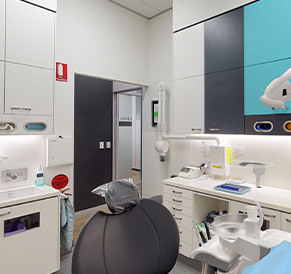

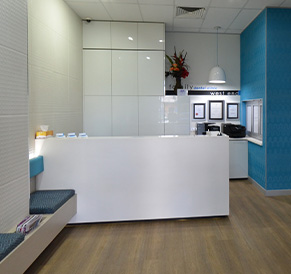
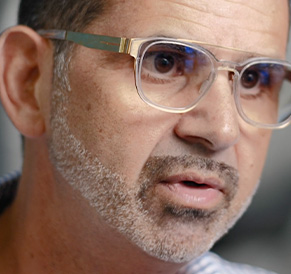


I received absolutely fantastic care from Dr. Georgio and his assistance today. Also was greeted by a very kind reception team. Thanks for the great work team, I look forward to coming back!
Dr Kosta did great work on both my crowns and there was very little discomfort after the second one. Very happy with the service as well from the rece... Read More
Kosta was very good, explaining exactly what my options were and ensuring my comfort all through the procedure. He gave me an aftercare sheet detailin... Read More
Top rate care, compassion, warmth & professionalism. This was my second visit & it's a relief to find a team so good. Thoroughly recommend Dr Costa & ... Read More
I had Dr. Giorgio, he is very kind, gentle, and efficient. He made my teeth look perfect. All the staffs are very friendly.

| Monday | 8:00am - 5:00pm |
| Tuesday | 8:00am - 6:30pm |
| Wednesday | 8:00am - 5:00pm |
| Thursday | 8:00am - 5:00pm |
| Friday | 8:00am - 5:00pm |
| Saturday | Every 2nd Saturday by appointment between 8.00am - 12.00pm |
Convenient parking is made available for our patients in the ground floor courtyard of the building. Please drive through the precinct building main entry gates at Browning street and immediately to your right as you enter the courtyard you will see the visitors parking section which includes a disabled parking Bay.
On rare occasions where all visitor carpark bays are full, there is ample street metered parking outside the surgery on Browning and Russel Street. These meters cater for long multi hour parking. There is also a secure underground carpark at the adjacent building, Precinct 2 , next to the “Melbourne Hotel”.