
Nursing you in to wholeness with implants
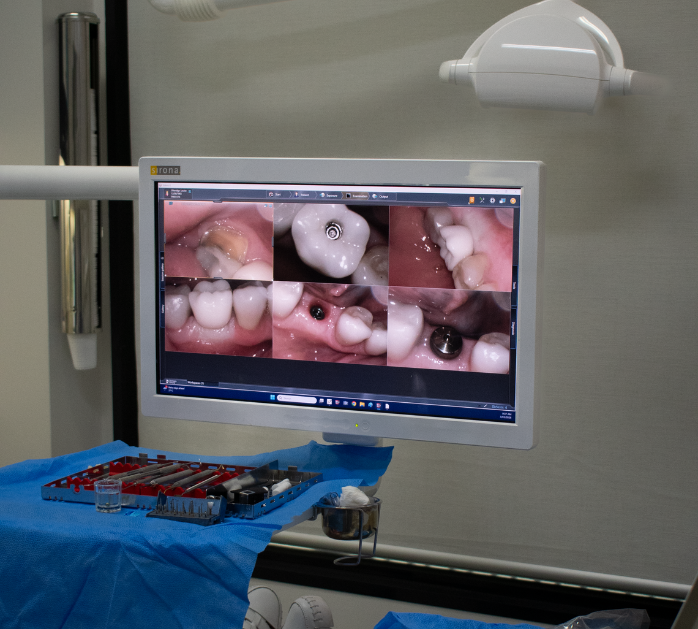
As dentistry continues to push through with technological advancements, dental implants have clearly come out on-top when regarding tooth replacement methods. Here at Family Dental Clinic – West End, we recognise the connection between looking good and feeling great. If your smile is making you feel inadequate or self-conscious, spend some time understanding how we can help you achieve that elevated feeling you get with a healthy, full smile.
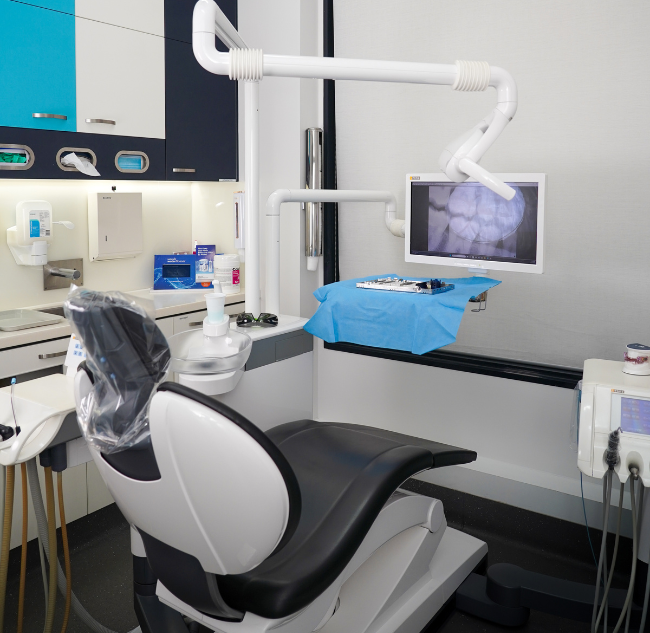
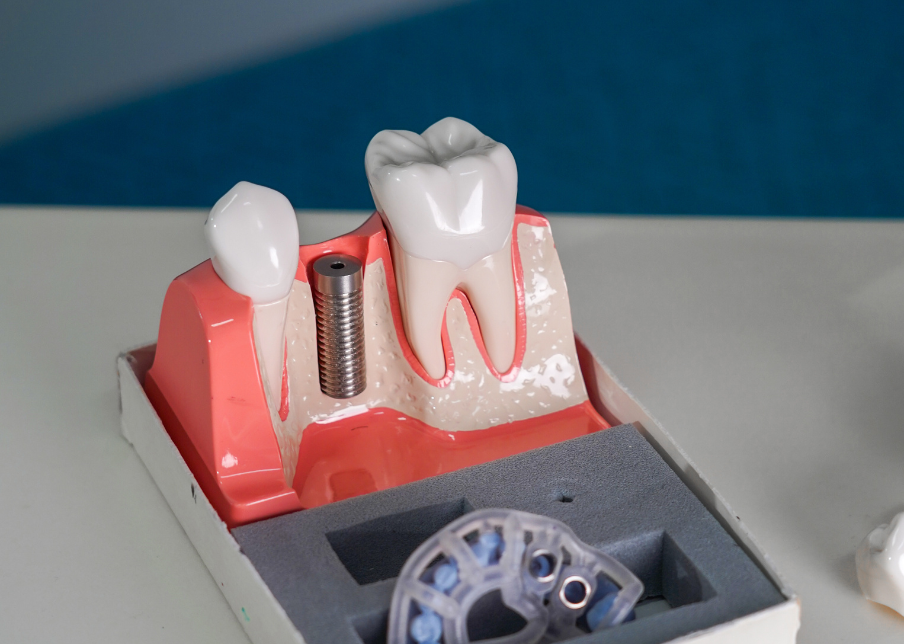
Using a screw-shaped titanium rod, dental implants are designed to replace the root of the lost tooth. This replacement method has a proven success rate for 98% of treated patients studied over a period of 10 years. This is because of the process of osseointegration; where the jaw bone accepts the titanium rod as if it were a tooth root.
Following the placement of the implant, an imitation tooth is screwed in to place. The replacement is specifically tailored to match all your natural surrounding teeth, recreating an improved natural grin.
Using a fixed bridge style or full arch implant, we are able securely fix the replacement teeth to your gums. This method gets rid of any sort of jaw bone damage you would usually get from removable tooth replacement methods.
The fixed bridge method follows a similar process to the single implant but uses a sort of connected tooth bridge so to avoid multiple implants shifting and bumping into each other. The fixed bridge offers that extra little bit of support and structure to your face and gums.
The full arch implant is the replacement method generally used for patients who suffer from complete loss of teeth. Full arch implants offer a much more permanent alternative to dentures. By replacing your missing teeth with a full arch implant, you are able to give your face a more comfortable feel and natural shape.
Dental implants are able to restore the natural functions of your mouth and help you restore your oral health.
View our Post Op Documentation (Implant Crown) HereAny surgical or invasive procedure carries risks



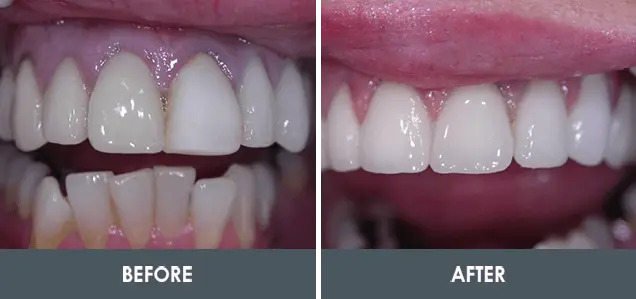
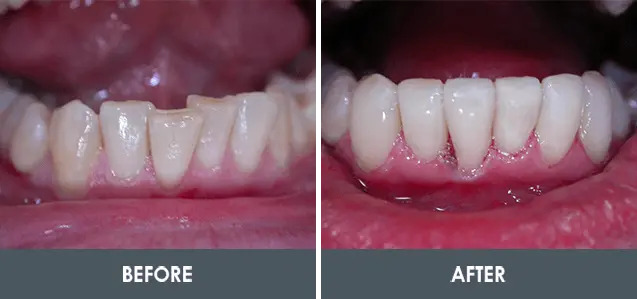
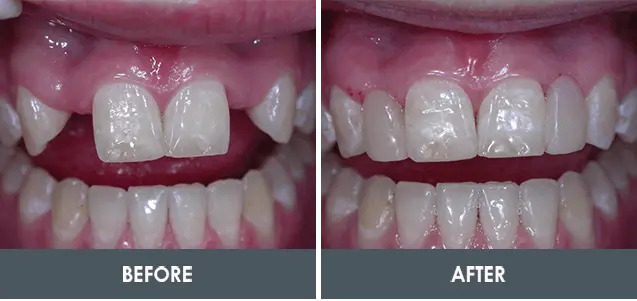
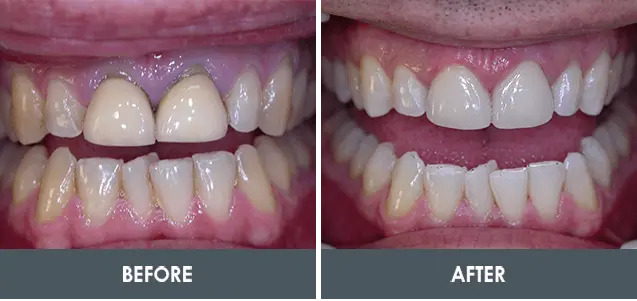
Our photo galleries at Family Dental Clinic – West End all contain genuine patients that have undergone one or more than one of general dentistry, cosmetic dentistry or restorative dentistry treatments. Every image of before or after photos are true and correct, all having been performed in the West End practice located in Brisbane.
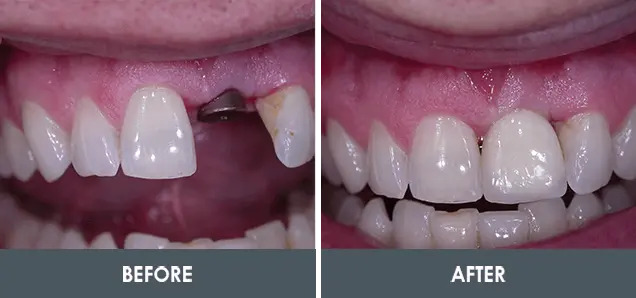
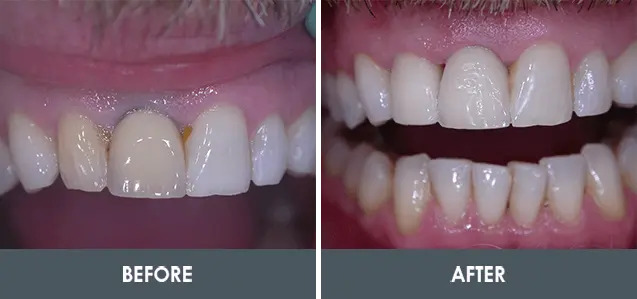
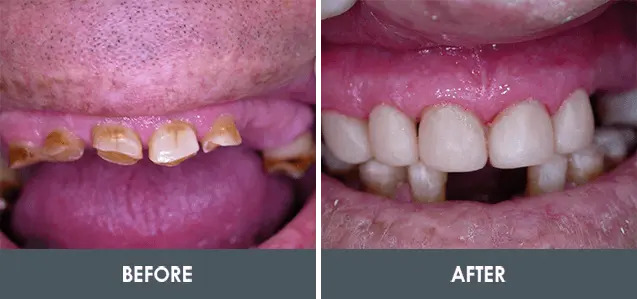

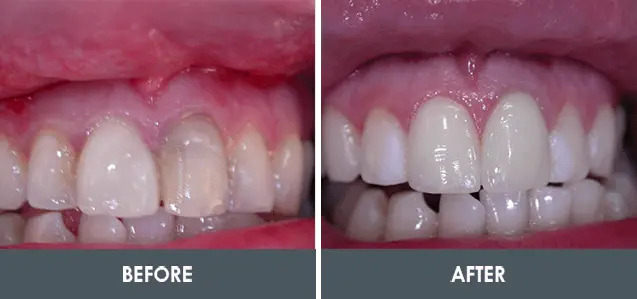






Dedicated to creating beautiful healthy smiles using the latest dental technology with precision and care
Dental implants are widely used and considered a reliable treatment when performed by a qualified dental professional. Careful planning, medical history review, and proper aftercare all contribute to safety. At Family Dental Clinic West End, each case is assessed individually before treatment proceeds.
Dental implants are considered safe and have a high success rate. They’ve been used for many years with great results. While there are some potential risks, such as infection or surgical complications, they are rare. Your dentist will assess your specific situation and guide you through the process, ensuring your safety and comfort. Feel free to discuss any concerns you have with your dental professional—they are there to help and provide personalised recommendations for your unique needs.
Dental implants are artificial tooth roots used to replace missing teeth. They’re made of titanium and provide a stable base for dental restorations. The process involves surgically placing a titanium post in the jawbone, allowing it to fuse with the bone (osseointegration). After healing, an abutment is attached, and a custom-made crown, bridge, or denture is added. Implants are long-lasting, prevent bone loss, and don’t rely on adjacent teeth.
Dental implants replace missing tooth roots with a small post placed into the jawbone. Over time, the bone bonds with the implant, creating a stable base for a crown, bridge, or denture. At Family Dental Clinic West End, this process is carefully planned to support function and long-term oral health.
While many individuals are suitable candidates for dental implants, eligibility depends on factors like overall health, oral health, bone density, and lifestyle habits such as smoking. Good general health is essential for the surgical procedure and proper healing, along with healthy gums to support the implants. There must be sufficient jawbone density to support the implants; if not, bone grafting may be necessary. Commitment to excellent oral hygiene is crucial for long-term success, including regular brushing, flossing, and dental check-ups. Additionally, quitting smoking is recommended, as it can negatively impact implant success. A thorough evaluation by a dental professional is necessary to determine individual candidacy and discuss the best treatment options.
Dental implants can last several decades or a lifetime with proper care. Factors like oral hygiene, overall health, smoking, bone health, and bite forces influence their longevity. Regular dental checkups and good oral hygiene are crucial for identifying and addressing any issues early on.
Caring for dental implants involves regular oral hygiene practices, including brushing at least twice a day and flossing daily to remove plaque and food particles. Regular dental check-ups and professional cleanings are also essential to monitor the health of the implants and surrounding teeth. It’s important to avoid chewing on hard foods or objects that could damage the implants and to quit smoking, as smoking can negatively impact implant success. Using an antimicrobial mouthwash can help reduce bacteria and plaque. If you grind your teeth at night, consider using a mouthguard to protect your implants. Following these guidelines can help ensure the long-term success of your dental implants.
Dental implants are commonly made from titanium or titanium alloys, known for their strength and compatibility with the body. Some options may include ceramic materials. These materials are selected to integrate with bone and support a replacement tooth securely.
The dental implant procedure is typically performed under local anaesthesia, so you should not feel any pain during the surgery. Some discomfort and swelling may occur after the procedure, but this can usually be managed with over-the-counter pain medication and resolves within a few days. Most patients report that any discomfort is manageable and that the long-term benefits of dental implants outweigh any temporary discomfort experienced during the procedure.
There is no strict upper age limit for dental implants. Suitability depends more on overall health, bone condition, and oral status. Younger patients may need to wait until jaw development is complete before treatment is considered.
Absolutely. One of the main advantages of dental implants is their ability to restore strong chewing function. Because implants are firmly anchored in the jawbone, they feel and work like your own teeth, letting you eat foods such as apples, steak, or nuts without discomfort or worrying about dentures slipping. Implants also address speech issues caused by gaps or unstable dentures, like lisping or unclear words. With implants, eating, speaking, and smiling become easier and more comfortable every day.
Dental implants are a long-term solution that often ends up being more cost-effective than other options. While the initial cost may be higher, implants are built to last decades when properly cared for, unlike dentures or bridges that may need replacement every 5–10 years. Beyond durability, implants also help prevent bone loss in the jaw, reducing the need for future corrective procedures. They also help maintain facial structure, improve oral function, and eliminate the hassle of adhesives or nightly removal. For many patients, the improved quality of life and oral health make dental implants a smart and lasting investment.
Yes, dental implants are often preferred over dentures and bridges due to their stability and ability to support long-term oral health. Unlike dentures, which rest on the gums and may slip or cause discomfort, implants are surgically placed into the jawbone, providing a secure and natural-feeling solution. Bridges require adjacent teeth to be filed down for support, which can weaken healthy teeth. Implants don’t rely on surrounding teeth, helping preserve your smile’s overall structure. For patients who value function, aesthetics, and longevity, dental implants are a superior choice.
Healing after dental implant surgery varies, often taking several weeks to a few months. This period allows the implant to bond with the bone. Some patients may receive temporary restorations during healing, depending on their treatment plan.
Patients with certain medical conditions may still be eligible for dental implants. Conditions including diabetes or heart concerns require careful evaluation and coordination with healthcare providers. At Family Dental Clinic West End, a detailed assessment helps determine if treatment is appropriate.


Dr Alice is incredibly knowledgeable, professional and genuinely caring. I’ve seen dentists in China, New Zealand and across Australia, and she is b… Read More
It is rare to encounter someone who demonstrates such an exceptional level of professionalism, dedication, and genuine care for their patients. Today,… Read More
I recently moved to Brisbane and didn’t have a dentist yet, so I’m very glad I found this clinic. I had my appointment with Dr Georgio Hadjipetrou… Read More
First time seeing Doctor Kosta. He was friendly and eager to help. Both myself and my partner were impressed with his professionalism. Prices were ver… Read More
As always, Family Dental Clinic took great care of me and my teeth. Doctor Georgio did a magnificent job on my crown on a back molar. Sam popped in to check on me too which was much appreciated.


| Monday | 8:00am - 5:00pm |
| Tuesday | 8:00am - 6:30pm |
| Wednesday | 8:00am - 5:00pm |
| Thursday | 8:00am - 5:00pm |
| Friday | 8:00am - 5:00pm |
| Saturday | Every 2nd Saturday by appointment between 8.00am - 12.00pm |
Convenient parking is made available for our patients in the ground floor courtyard of the building. Please drive through the precinct building main entry gates at Browning street and immediately to your right as you enter the courtyard you will see the visitors parking section which includes a disabled parking Bay.
On rare occasions where all visitor carpark bays are full, there is ample street metered parking outside the surgery on Browning and Russel Street. These meters cater for long multi hour parking. There is also a secure underground carpark at the adjacent building, Precinct 2 , next to the “Melbourne Hotel”.